How Much Down Payment Do You Need for an Investment Property?
Most rental loans require 20–25% down, but some financing options start lower. Learn the requirements by loan type and how much cash you actually need.
nmin readReleased on:October 23, 2026Last updated on:October 23, 2026

Overview:
- Most investment property loans require 20 to 25% down. A conventional single-family purchase can close at 15%, while a 2-4 unit building needs 25%, and a renovation loan can go as low as 10% of the purchase price.
- An investment property down payment is one of three numbers the investor brings to closing. Closing costs and cash reserves sit on top of it, and together they often add 20 to 30 percent to the total.
- Nothing below 15 percent is available on a property the borrower will not occupy. FHA at 3.5 percent and VA at zero down both require the buyer to live in a unit.
How Much Is the Down Payment on an Investment Property?
Most investment property loans require 20% to 25% down. The exact figure moves with the loan type rather than with lender preference, so a conventional single-family rental can close at 15 percent while a two to four unit building needs 25%.
Our guide to investment property loans covers the products themselves. Here we focus on what each one asks for at the closing table.
Below is a breakdown of the down payment by loan type.
However, those percentages apply to the purchase price alone, which is not the same as the cash an investment property buyer brings to closing.
What Is the Minimum Down Payment on an Investment Property?
For conventional investment property loans, 15% is the minimum down payment, available on eligible single-family rentals. However, most investors put down 20% to 25% to qualify for better rates and loan terms. Conventional financing for two- to four-unit investment properties typically requires at least 25% down. To get a rental property loan, an investor would need to put 20-25% down.
Renovation or rehab loans work differently and may require less upfront cash. For example, Ridge Street recently financed 90% of the purchase price on a Connecticut investment property, allowing the investor to put just 10% down. We also financed 100% of the renovation budget.
Government-backed loans offer another option for lower down payments. FHA loans require as little as 3.5%, while eligible VA borrowers may qualify with zero down. However, both programs require owner occupancy, meaning the borrower must live in the property.
The investment property loans guide explains how investors can use FHA and VA financing to purchase two- to four-unit properties while living in one of the units.
Why Investment Properties Require More Down Than a Home You Live In
Investment property lenders hold more equity against an income-producing property for two structural reasons.
The first is higher repayment risk. When borrowers face financial difficulties, they are more likely to prioritize mortgage payments on the home they live in over payments on an investment property. Lenders account for this additional risk by requiring larger down payments and charging higher interest rates.
The second is how loans are funded through capital markets. Conventional mortgages, including eligible investment property loans, can be sold to Fannie Mae and Freddie Mac, which creates strong institutional demand.
DSCR and other non-agency loans rely on private capital markets, where investors often require more borrower equity to reduce their exposure to potential losses. This contributes to higher down payment requirements.
Both factors apply regardless of the borrower's credit score. Even with a 780 FICO score, an investor may qualify for a lower interest rate but must still meet the loan program's minimum down payment requirement.
Down Payment vs Cash to Close: What an Investor Actually Brings
The down payment is only one part of the cash investors need when purchasing an investment property. They also need to cover closing costs and meet the lender's cash reserve requirements.
Two recent Ridge Street Capital case studies show how much additional cash investors needed beyond their down payments and how these requirements differed between a rental property purchase and a renovation project.
A rental purchase in Seminole, Florida.
The investor purchased the property in Florida for $672,500 with a $538,000 loan at 80% LTV, requiring a down payment of $134,500. However, the total liquidity requirement reached $176,562.58, including closing costs and six months of cash reserves.
That is approximately $42,000, or 31%, more than the down payment alone. The investor closed remotely in under 30 days at a 6.875% interest rate and a DSCR of 1.42.
Our Seminole case study provides the full breakdown.
A renovation project in Branford, Connecticut.
Two relatively new investors, one with three completed projects and the other with one, purchased a property for $382,000 in Connecticut. Ridge Street financed 90% of the purchase price, or $343,800, plus 100% of the $100,000 renovation budget. The funds were released through construction draws.
Their down payment was $38,200, while total cash to close reached $52,024, including approximately $13,800 in additional costs. The loan closed in 14 days, with total financing equal to 74.6% of the property's $595,000 after-repair value.
Our Branford case study covers the details.
The key difference is how lenders treat cash reserves. The rental property loan required six months of reserves in addition to the funds needed for closing. The hard money renovation loan had a different cash requirement, primarily covering the down payment and closing costs.
Do You Need Cash Reserves on Top of the Down Payment?
Lenders require reserves on most rental property loans, usually six months of the full monthly payment including taxes, insurance, and association dues (PITIA). On the Seminole purchase, that is covered above, that requirement accounted for the larger share of the $42,000 beyond the down payment.
It is important to mention that reserves work differently from every other number at closing, because the lender never collects them. Instead, the lender verifies through bank or brokerage statements that the money exists in the borrower's own accounts, and the borrower keeps it.
Cash reserves must remain available after closing, so investors cannot use the same funds for both the down payment and reserves. Our DSCR loan requirements guide explains which types of accounts lenders accept.
Can You Put Less Than 20 Percent Down?
Yes. Investors have three main options, each with its own requirements and trade-offs.
Conventional loans allow as little as 15% down on eligible single-family rentals, although interest rates may be higher. Fix-and-flip loans can finance up to 90% of the purchase price, but investors typically need cash to cover renovation expenses before the lender reimburses them through draws. Our hard money loan requirements guide runs the cash math.
FHA and VA loans offer even lower down payments, but require the borrower to live in the property.
Another option is to use equity from an existing property to reduce the cash needed for a new purchase. We cover these strategies in our guide on how to buy a rental property with no down payment.
Investment Property Down Payments at Ridge Street Capital
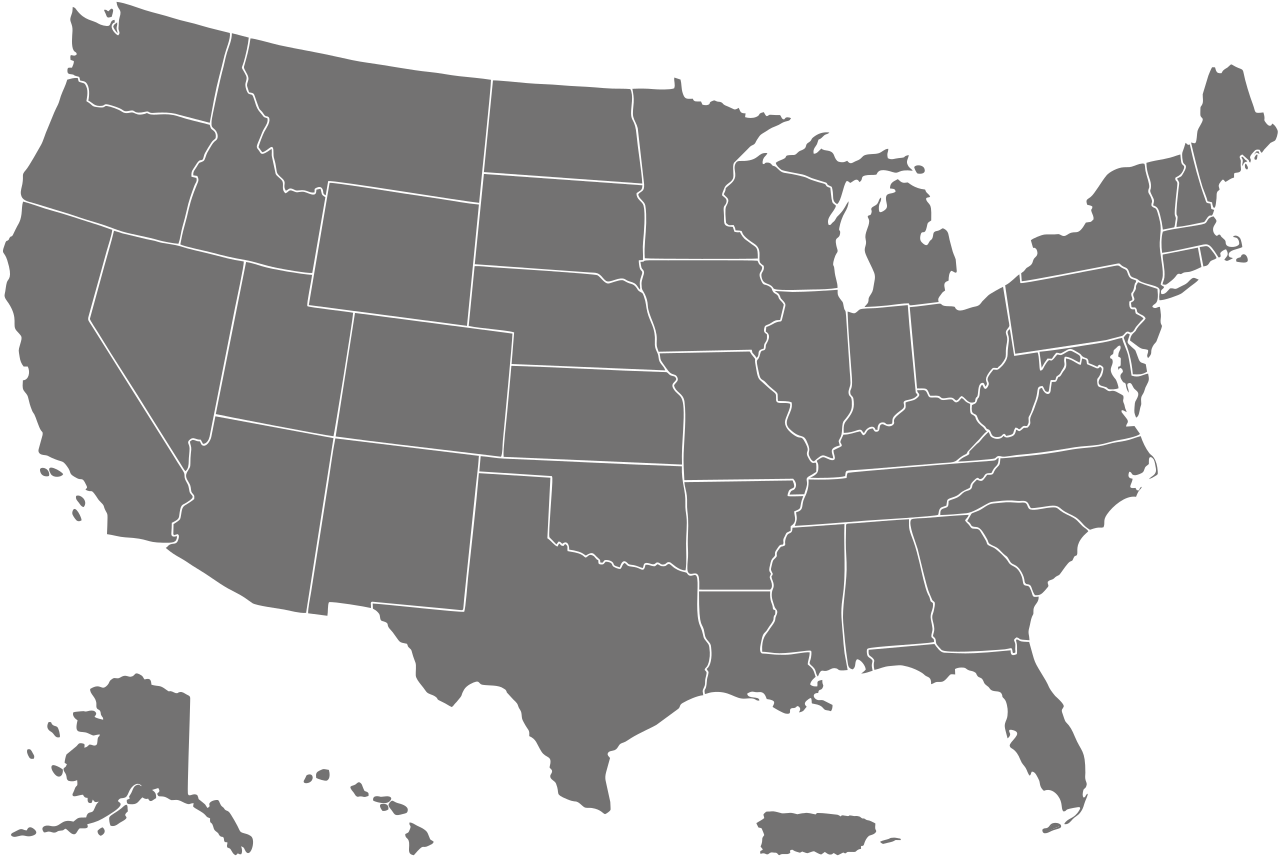
Ridge Street Capital specializes exclusively in investment property financing across 36 states. Our DSCR rental loans start at 20% down, while fix-and-flip loans require as little as 10% of the purchase price, with the renovation budget financed separately. Ground-up construction loans start at 10% down, plus the required land contribution.
Share the property address and purchase price with our team, and we'll prepare a term sheet outlining the down payment, lender fees, and total cash needed to close, all on one page.
Frequently Asked Questions
How much down payment do you need on a duplex or fourplex?
Conventional lenders typically require at least 25% down on two- to four-unit investment properties, compared with 15% for eligible single-family rentals. Rental property lenders generally require 20% to 25%, depending on the property's rental income, loan terms, and borrower's qualifications.
Does a larger down payment lower the interest rate?
Yes. Lenders price loans based on loan-to-value (LTV) tiers. Reducing LTV from 80% to 75% can improve the interest rate, with further reductions possible at 70%. However, investors should compare the monthly savings against the additional cash invested in the property.
Is the down payment different for a short-term rental?
Short-term rental loans typically require 20% to 25% down. However, some lenders require an additional 5% when qualifying the property using projected nightly rental income instead of an existing lease. Credit score requirements may also be higher. Learn more in our short-term rental loans guide.
Can you use equity from another property for the down payment?
Yes. Investors can use a cash-out refinance on an existing property to access equity and fund the down payment on another investment. Lenders commonly require investors to retain at least 25% equity in the refinanced rental property, although limits vary by loan program.
How much down payment do you need on a second or third investment property?
The down payment percentage generally stays the same, but conventional lenders may require larger cash reserves as the number of financed properties increases. DSCR lenders typically calculate reserves based on the property being financed. This can make DSCR financing more flexible as an investor's portfolio grows.
Zach Cohen is the Managing Partner of Ridge Street Capital, a direct private lender providing hard money and DSCR loans to real estate investors across 36 states. Under his leadership, the firm has funded nearly $100 million in investment property loans. He regularly works with real estate investors on rental property acquisitions, refinances, and fix-and-flip projects across the country.
Fix and Flip Loans
Funding For Purchase + Rehab
- $50,000 up to $3,000,000
- Interest Rate 10.5%-11.5%
- Origination Fee From 1.5%
- Up to 90% of Purchase and 100% of Rehab

DSCR Loans For Long Term Rentals
Perfect for first-time investors or experienced investors scaling their rental portfolio.
- Up to $2,000,000
- Interest Rates from 6.0%
- Origination Fee From 0%
- Up to 80% of LTV

DSCR Loans For Short Term Rentals
Designed for investors pursuing higher rents with a short term rental strategy.
- Up to $2,000,000
- Interest Rates from 6.25%
- Origination Fee From 0%
- Up to 80% LTV
Ready to Get Started?